

Optical Switches
Showing 37–48 of 78 results

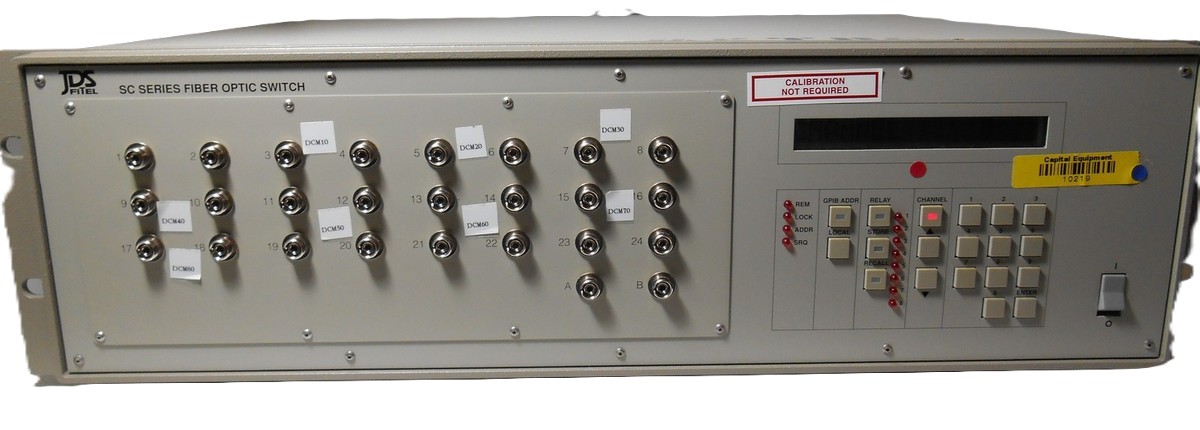
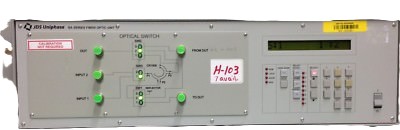
JDS FITEL SC24B5-E2FP SC SERIES FIBER OPTIC SWITCH 2X24
$3,530.00
JDS FITEL SB05B5-C2FA SB SERIES FIBER OPTIC SWITCH 1X5
$2,630.00
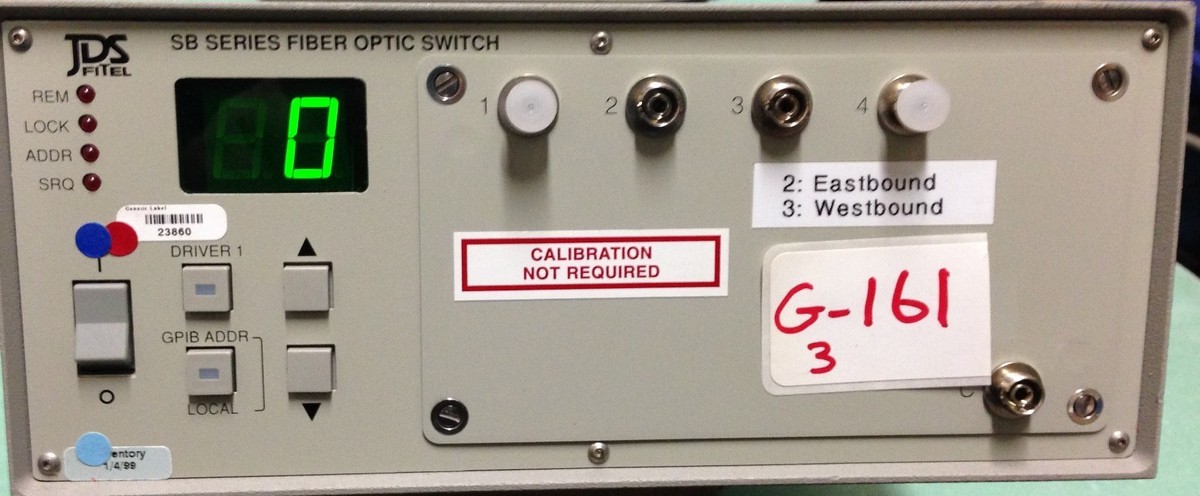
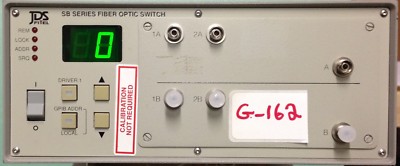
JDS FITEL SB04B5-D2FP SB SERIES FIBER OPTIC SWITCH 1X4
$2,630.00JDS FITEL SB04B5-C2FP SB SERIES FIBER OPTIC SWITCH 1X4
$2,630.00
JDS FITEL SB04-4B5-D2FP SB SERIES FIBER OPTIC SWITCH 2(1X2)
$2,630.00
JDS FITEL SA-Z530 SA SERIES FIBER OPTIC SWITCH
$1,330.00
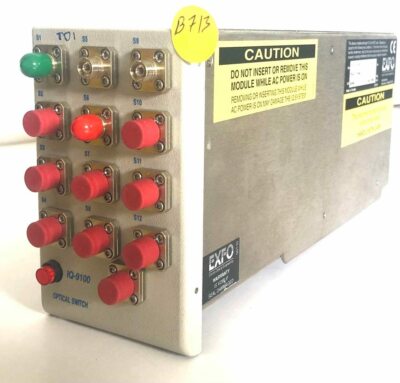
EXFO Optical Switch IQ-9100-1-12-B-70
$1,680.00
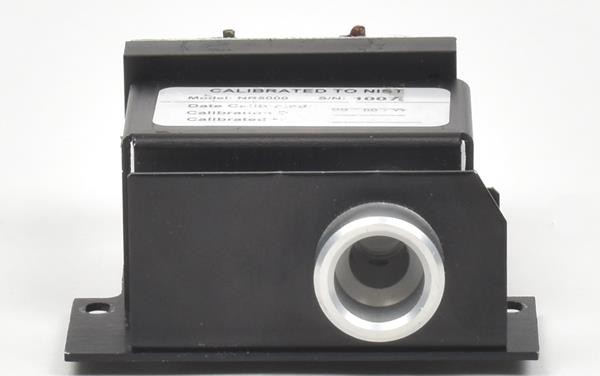
Exfo NR5000 Radiometer Module
$130.00
Exfo MXS-9100 – MEMS Matrix Optical Switch
$0.00Exfo IQS-9100B – MEMS optical switch
$0.00
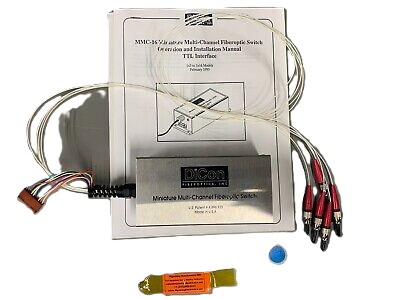
DiCON MM1C-16 MULTI-CHANNEL FIBER OPTIC SWITCH
$655.00
Advantest Q8172 – Optical Channel Selector
$1,279.00



What Is an Optical Switch
An optical switch is a device that selectively connects one or more optical input ports to one or more output ports. The switching action is performed optically, ensuring that wavelength, modulation format, and signal integrity are preserved during routing.
Optical switches may be manually controlled, electronically controlled, or software controlled depending on system requirements. They are commonly used to automate fiber routing, perform sequential measurements, and implement protection switching in optical systems.
Optical Switch Technologies
Different switching technologies are used depending on port count, switching speed, and optical performance requirements.
Mechanical Optical Switches
Mechanical optical switches physically move optical fibers or mirrors to redirect light paths. They offer low insertion loss, low polarization dependence, and excellent wavelength independence.
These switches are commonly used in laboratory test systems and high-precision measurement environments where signal integrity is critical.
MEMS Optical Switches
MEMS optical switches use micro-electromechanical mirrors to direct optical signals. They support higher port counts and faster switching times compared to mechanical switches.
MEMS switches are widely used in automated test systems, DWDM component testing, and scalable optical switching platforms.
Solid-State Optical Switches
Solid-state optical switches use electro-optic or thermo-optic effects to control light propagation. They offer fast switching speeds and no moving parts, making them suitable for applications requiring rapid reconfiguration.
These switches are often used in specialized photonic systems and integrated optical platforms.
Types of Optical Switches We Offer
1xN and NxM Optical Switches
These switches connect one input to multiple outputs or multiple inputs to multiple outputs. They are widely used for test automation, redundancy switching, and signal routing in laboratory and network environments.
Fiber-Optic Matrix Switches
Matrix switches provide flexible routing across many input and output ports. They are commonly used in large-scale optical test systems and network monitoring applications.
Programmable and Automated Optical Switches
Programmable optical switches integrate with control software and test automation platforms. They enable unattended operation, repeatable test sequences, and efficient resource sharing across multiple instruments.
Key Technical Parameters Engineers Evaluate
When selecting optical switches, engineers consider several critical performance characteristics:
• Number of input and output ports
• Insertion loss and repeatability
• Optical return loss
• Polarization dependent loss
• Switching speed and lifetime
• Wavelength range and compatibility
• Control interface and automation support
Selecting the correct optical switch ensures reliable signal routing and consistent measurement results.
Optical Switch Brands We Sell
Aumictech supplies optical switches from trusted manufacturers used in professional optical and telecom environments.
• EXFO
Optical switches for automated fiber testing and network validation
• Keysight Technologies
High-performance optical switching solutions for laboratory and automated test systems
• Agilent Technologies
Laboratory-grade optical switches used in optical component testing
• DiCon Fiberoptics
MEMS-based optical switches for photonics and telecom applications
• JDSU
Optical switching platforms for fiber-optic test and measurement environments
Used and Laboratory-Grade Optical Switches
Many optical switches are designed for long operational lifetimes and remain in service for years. Professionally sourced used and surplus optical switches provide a cost-effective solution for expanding test capability, maintaining legacy systems, and supporting automated optical test setups.
These switches are commonly deployed in telecom labs, data centers, semiconductor fabs, and optical component manufacturing facilities.
Why Optical Switches Are Critical
As optical systems grow in complexity and scale, efficient signal routing becomes essential. Manual fiber reconnection is time-consuming and introduces variability, while optical switches enable repeatable, automated, and reliable path selection.
Optical switches allow engineers to scale test systems, improve throughput, and maintain signal integrity across complex optical setups. From DWDM component testing to network protection switching, optical switches remain a foundational technology in modern optical measurement and communication systems.