

Power Meters
Showing 37–48 of 155 results

HP / Agilent 70100A Power Meter -70 to +44dBm
$109.60
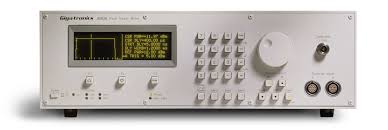
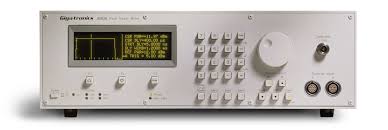
Gigatronics 8502A
$0.00Gigatronics 8502
$0.00
Cobham / Aeroflex / Wavetek 8502 Peak Power Meter
$0.00
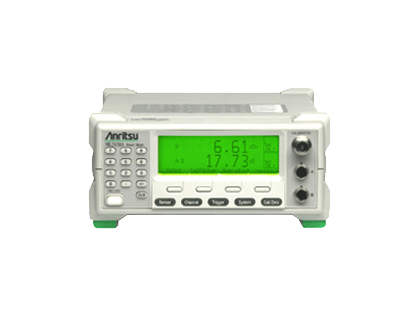
Anritsu ML2408A – Dual Input Power Meter
$0.00
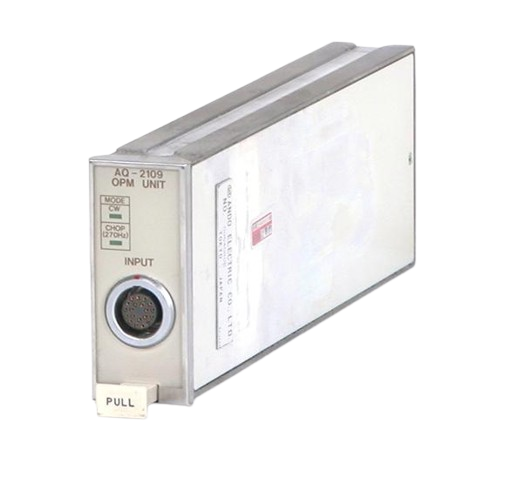
Ando AQ-2109 Power Sensor Interface Module
$420.00
Agilent/Keysight U2004A
$0.00
Agilent/Keysight U2002A
$0.00
Agilent/Keysight U2001B
$0.00Agilent/Keysight U2001A
$0.00
Agilent/Keysight U2000H
$0.00
Agilent/Keysight U2000B
$0.00


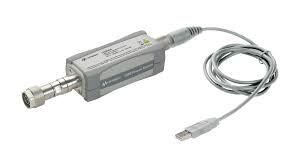
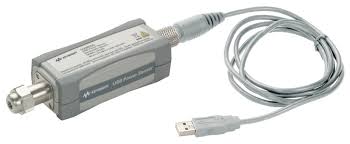


What Is a Power Meter
A power meter measures the amount of electrical or RF power delivered to a load. Measurements are typically expressed in watts, milliwatts, or decibels referenced to one milliwatt. Power meters operate by sampling the energy absorbed by a sensor and converting it into a precise electrical measurement.
In RF and microwave applications, power meters are used to verify transmitter output, amplifier gain, system efficiency, and compliance with power limits. In electrical environments, they are used to measure real, apparent, and average power delivered by electronic systems.
Power Meter Measurement Principles
Power meters rely on dedicated sensor technologies designed to accurately absorb and measure energy without significantly disturbing the signal path.
Core measurement principles include:
• Conversion of absorbed energy into a measurable electrical signal
• Calibration against known power standards
• Compensation for frequency response and temperature variation
• Averaging or peak detection depending on signal characteristics
Measurement accuracy depends heavily on sensor selection, frequency range, dynamic range, and calibration quality.
Types of Power Meters We Offer
RF and Microwave Power Meters
RF power meters are designed to measure power across radio frequency and microwave bands. They are widely used in wireless communications, radar systems, RF component testing, and amplifier validation.
These meters support wide frequency coverage and high dynamic range, making them suitable for both low-level signals and high-power transmitters.
Peak Power Meters
Peak power meters are used to capture fast-changing or pulsed signals. They are essential for applications involving radar pulses, burst transmissions, and time-varying RF signals.
Peak measurements provide insight into modulation behavior and peak-to-average power ratios.
Average Power Meters
Average power meters measure time-averaged signal power and are commonly used for continuous wave and modulated RF signals. They provide stable and repeatable measurements for general-purpose testing and calibration.
Electrical Power Meters
Electrical power meters measure power consumption and delivery in electronic systems. They are used in power supply testing, system efficiency analysis, and electronic load validation.
These meters often support measurements of voltage, current, power factor, and efficiency.
Power Sensor Technologies
Power meters rely on external or integrated sensors that determine frequency response and measurement range.
Thermal Power Sensors
Thermal sensors measure power by absorbing energy and converting it into heat. They provide accurate, frequency-independent measurements and are widely used as reference standards.
These sensors are ideal for calibration and broadband applications.
Diode Power Sensors
Diode sensors convert RF energy directly into an electrical signal. They offer fast response times and high sensitivity, making them suitable for low-level signals and modulated waveforms.
Peak Power Sensors
Peak sensors are optimized for fast transient detection and time-resolved measurements. They are essential for analyzing pulsed and burst RF signals.
Key Technical Parameters Engineers Evaluate
When selecting a power meter, engineers focus on several critical performance characteristics:
• Frequency range and bandwidth
• Power measurement range and resolution
• Sensor linearity and repeatability
• Peak versus average measurement capability
• Response time and video bandwidth
• Calibration accuracy and traceability
• Interface and automation support
Matching the correct power meter and sensor combination is essential for reliable measurements.
Power Meter Brands We Sell
Aumictech supplies power meters from globally recognized manufacturers trusted in professional test environments.
• Keysight Technologies
RF and microwave power meters and sensors for laboratory and production testing
• Agilent Technologies
Legacy and laboratory-grade power meters widely used in RF applications
• Anritsu
High-performance RF power meters for wireless and microwave systems
• Rohde & Schwarz
Precision power meters for RF, microwave, and compliance testing
• Boonton
Peak and average RF power meters for pulsed and modulated signals
• Tektronix
Power measurement solutions supporting RF and electronic test systems
Used and Laboratory-Grade Power Meters
Power meters are long-life instruments that remain valuable well beyond initial production cycles. Professionally sourced used and surplus power meters provide a cost-effective solution for maintaining test capability, supporting discontinued systems, and expanding laboratory infrastructure.
These instruments are commonly used in RF labs, semiconductor facilities, defense systems, and electronics manufacturing environments.
Why Power Meters Are Critical
Accurate power measurement is fundamental to system performance, regulatory compliance, and reliability. Overpower conditions can damage components, while underpowered systems may fail to meet performance requirements.
Power meters enable engineers to validate transmitter output, optimize amplifier performance, and ensure systems operate within specified limits. From RF design and production testing to calibration and long-term maintenance, power meters remain a cornerstone of electronic and RF measurement.