
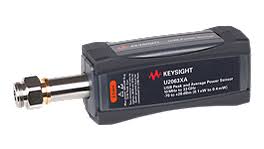
Power Sensors
Showing 13–24 of 69 results

Anritsu PSN50 High Accuracy Power Sensor
$1,200.00
Anritsu MA2472D – Standard Diode Sensor
$550.00
Agilent/Keysight U2001B
$1,050.00
Agilent/Keysight U2001A
$750.00
Agilent/Keysight Q8486A
$950.00
Agilent/Keysight N8488A
$4,500.00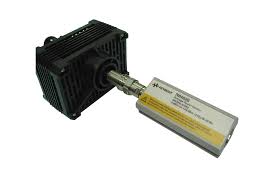
Agilent/Keysight N8482B
$900.00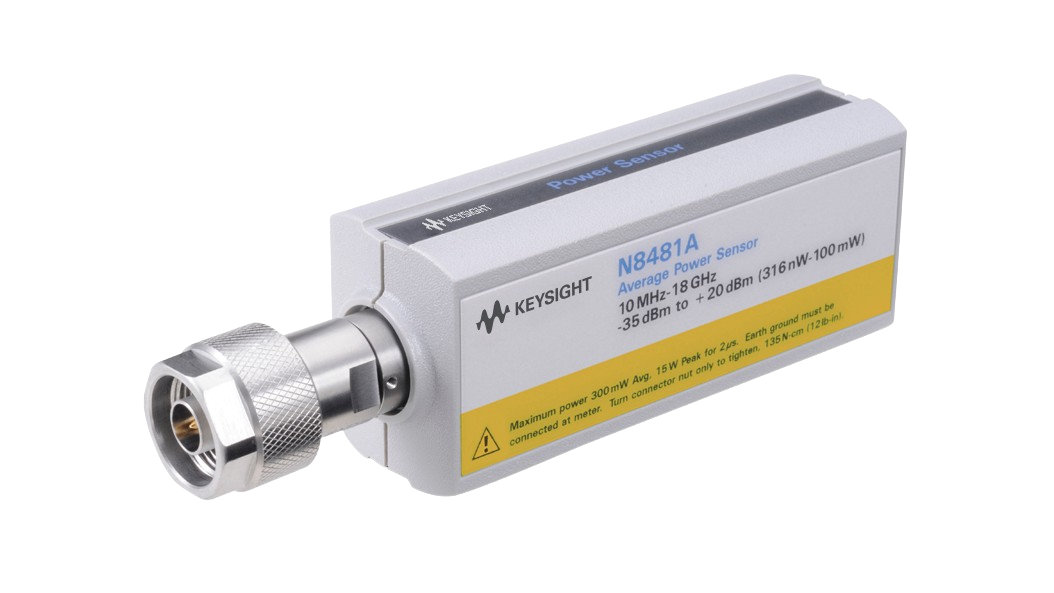
Agilent/Keysight N8481A
$550.00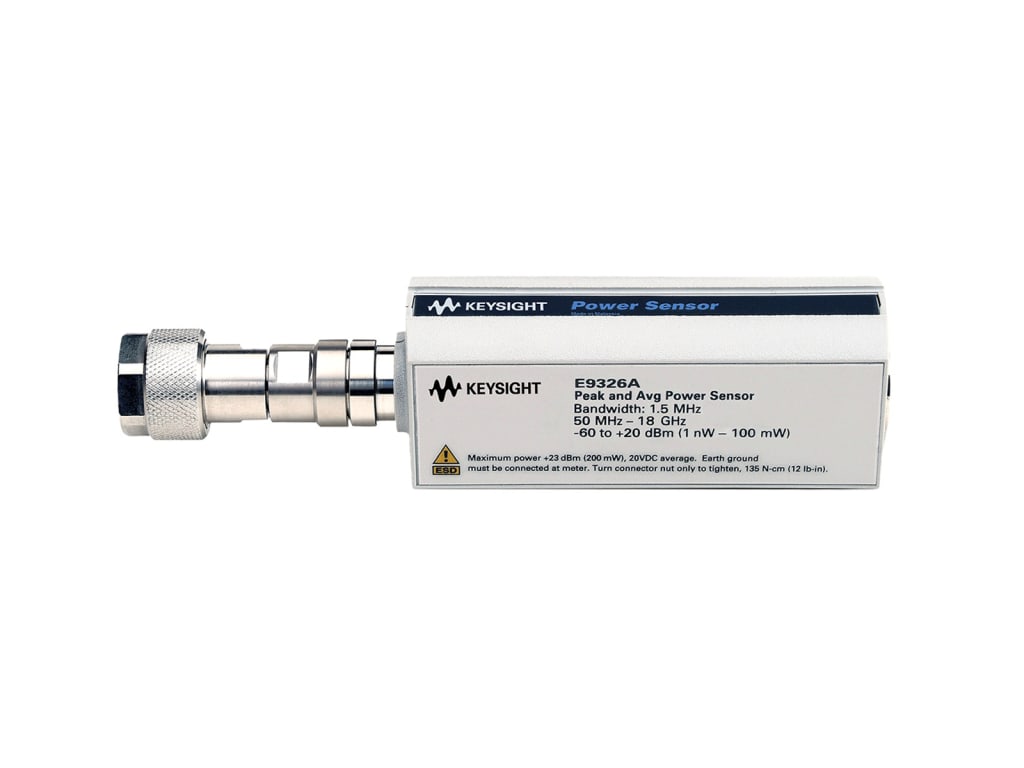
Agilent/Keysight E9326A
$2,495.00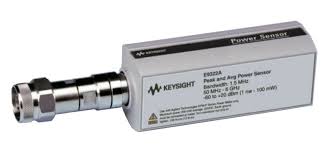
Agilent/Keysight E9322A
$2,050.00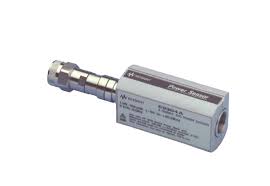
Agilent/Keysight E9300A
$120.00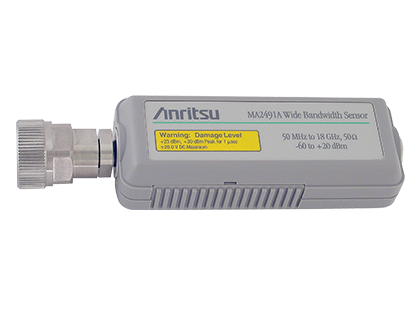
Anritsu MA2490A Wideband Sensor, 50MHz to 8GHz
$430.00
What Is a Power Sensor
A power sensor is a calibrated device that absorbs electrical or RF energy and converts it into an electrical signal proportional to the applied power. The sensor connects to a compatible power meter or measurement platform that processes and displays the final measurement.
Unlike general measurement probes, power sensors are specifically designed to provide accurate, traceable power readings across defined frequency and power ranges. Sensor selection has a direct impact on measurement uncertainty, repeatability, and system reliability.
Power Sensor Measurement Principles
Power sensors operate by converting absorbed energy into a measurable physical response. That response is then translated into an electrical signal by the sensor electronics.
Key measurement principles include:
• Energy absorption through resistive or diode elements
• Conversion of absorbed energy into heat or current
• Compensation for frequency response and temperature effects
• Calibration against known power standards
Accurate power measurement depends on sensor linearity, thermal stability, and proper matching to the measurement application.
Types of Power Sensors We Offer
Thermal Power Sensors
Thermal power sensors measure power by converting absorbed RF or electrical energy into heat. The resulting temperature change is measured using precision thermal elements.
Thermal sensors provide highly accurate, frequency-independent measurements and are commonly used as reference standards in calibration laboratories. They are ideal for broadband applications and absolute power measurements.
Diode Power Sensors
Diode power sensors convert RF energy directly into an electrical current using semiconductor junctions. These sensors offer high sensitivity and fast response time, making them suitable for low-level signals and modulated waveforms.
Diode sensors are widely used in wireless communications, signal generator calibration, and general RF testing.
Peak Power Sensors
Peak power sensors are designed to capture fast, time-varying RF signals. They measure peak, average, and pulse characteristics of pulsed and burst transmissions.
These sensors are essential for radar systems, pulsed RF transmitters, and modulation analysis where peak behavior directly affects system performance.
Average Power Sensors
Average power sensors measure time-averaged power and are commonly used for continuous wave and modulated RF signals. They provide stable and repeatable readings for production testing and routine measurements.
Key Power Sensor Performance Characteristics
When selecting a power sensor, engineers evaluate several critical parameters:
• Frequency range and bandwidth
• Power measurement range and sensitivity
• Sensor linearity and dynamic range
• Response time and video bandwidth
• Temperature stability and drift
• Connector type and impedance matching
• Calibration accuracy and traceability
Selecting the correct sensor ensures accurate and reliable power measurements across operating conditions.
Power Sensor Applications That Drive Buying Decisions
Power sensors are used in a wide range of real-world testing scenarios:
• RF transmitter output verification
• Signal generator calibration
• Amplifier gain and efficiency testing
• Wireless compliance and validation
• Radar and pulsed RF measurement
• Semiconductor and device characterization
• Production testing and quality control
Each application places different demands on sensor speed, accuracy, and frequency response.
Power Sensor Brands We Sell
Aumictech supplies power sensors from globally recognized manufacturers trusted in professional RF and electronic test environments.
• Keysight Technologies
Thermal, diode, and peak power sensors for RF and microwave measurements
• Agilent Technologies
Legacy and laboratory-grade RF power sensors used worldwide
• Anritsu
High-performance RF and microwave power sensors for telecom and defense
• Boonton
Peak power sensors optimized for pulsed and modulated signals
• Rohde & Schwarz
Precision RF power sensors for advanced measurement systems
• Tektronix
Power sensing solutions supporting RF and electronic test platforms
Used and Laboratory-Grade Power Sensors
Power sensors are long-life measurement devices and often remain in active service for decades. Professionally sourced used and surplus power sensors provide a cost-effective solution for maintaining measurement capability, supporting discontinued platforms, and expanding lab infrastructure.
These sensors are commonly used in RF labs, aerospace systems, semiconductor fabs, and calibration facilities where accuracy and stability are critical.
Why Power Sensors Are Foundational to Accurate Measurement
The quality of any power measurement is only as good as the sensor performing the measurement. Incorrect sensor selection or degraded sensor performance can lead to inaccurate readings, compliance failures, or component damage.
Power sensors enable engineers to directly measure true power delivered by a system, validate performance margins, and ensure safe operation. From RF design and production testing to long-term system maintenance, power sensors remain a foundational element of precise power measurement.