
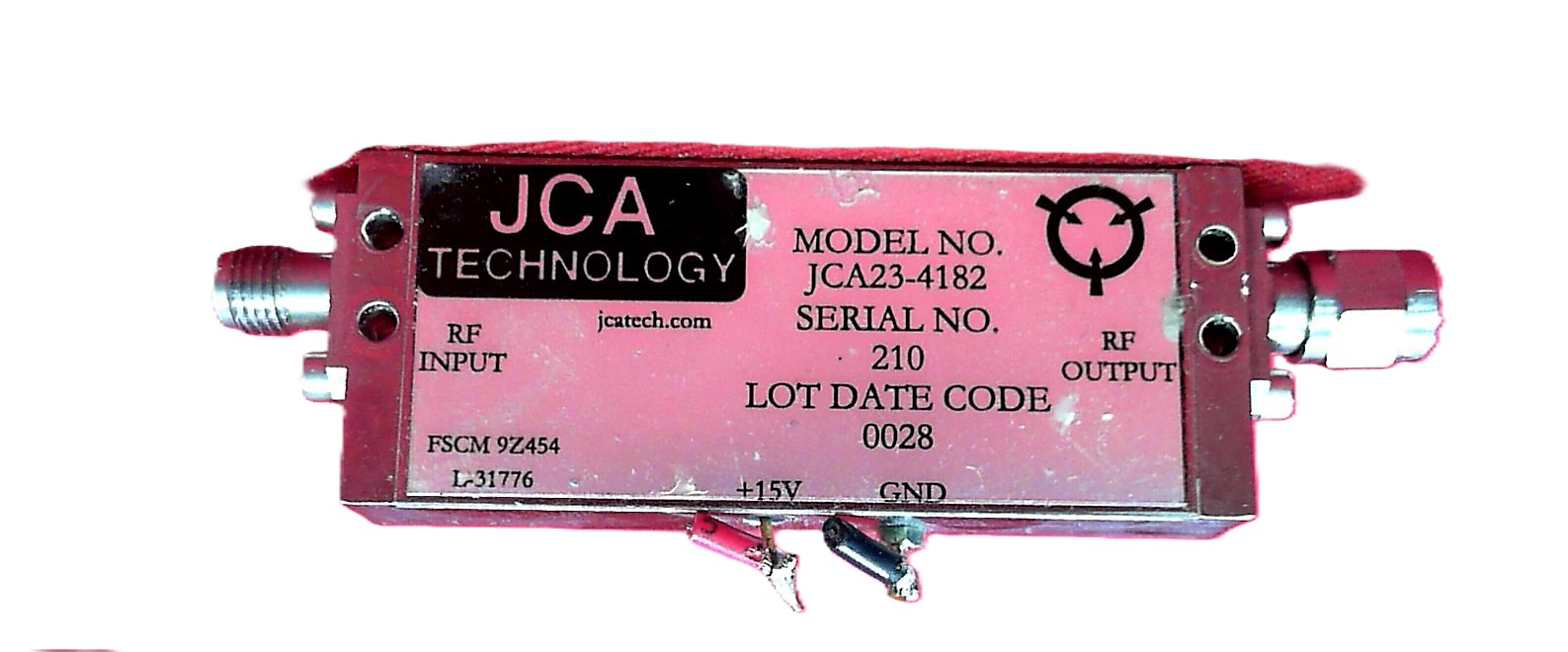

The JCA23-3271 is a spring-diaphragm pneumatic actuator engineered for modulating and on/off control in industrial valve applications. It converts pneumatic input signals into proportional linear stem movement through a rolling diaphragm balanced against internal spring force. This actuator delivers reliable actuation across demanding process control environments where precise valve positioning is required.
## Technical Specifications
Diaphragm areas are available in eight standard sizes: 60, 80, 120, 240, 350, 700, 1400, and 2800 cm² (9.3 to 434 in²). Rated travels span 0.3 to 4.8 inches (7.5 to 120 mm) depending on diaphragm selection. Internal spring configurations are modular, with up to 30 springs installable to establish bench range and fail-safe behavior.
Case materials include epoxy-coated steel for standard duty, ductile iron for the largest diaphragm area (2800 cm²), and die-cast aluminum for the Type 3271-5 variant. Stainless steel exterior components are available for corrosive environments. The unit accommodates both top-mounted and side-mounted handwheels for manual stem adjustment. Mechanically adjustable travel stops are offered for select diaphragm area ranges.
## Key Features
• Rolling diaphragm design for smooth, repeatable response
• Configurable fail-safe action: Fail Open (stem retracts) or Fail Closed (stem extends) upon air loss
• Modular spring arrangement for custom bench range tuning
• Manual override capability via integral handwheel
• Multiple material options for diverse chemical and temperature environments
• Vent plug design critical for trouble-free operation—blockage must be avoided
## Typical Applications
The Type 3271 is deployed in process industries requiring proportional valve control, including chemical processing, power generation, oil and gas, and water treatment systems where pneumatic actuation is preferred.
## Compatibility & Integration
The actuator integrates with standard 3/2, 4/2, and 4/3 pneumatic control systems. Signal pressure operates against spring force to position the stem; fail-safe behavior is determined by spring preload and signal connection point. Supply pressure limits and specific signal ranges depend on diaphragm area and spring configuration selected.











Reviews
There are no reviews yet.