
RF Amplifiers
Showing 1–12 of 220 results
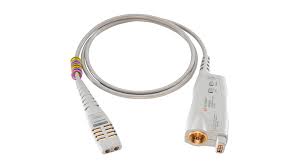
Keysight (Agilent) N7003A InfiniiMax III+ Series Probe Amplifier, 20 GHz
$7,500.00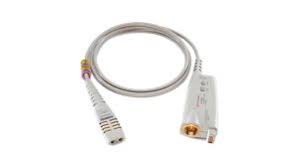
Keysight (Agilent) N7002A InfiniiMax III+ Series Probe Amplifier, 16 GHz
$5,500.00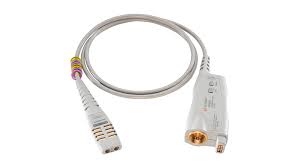
Keysight (Agilent) N7000A InfiniiMax III+ Series Probe Amplifier, 8 GHz
$3,500.00
Keysight (Agilent) N4985A Amplifier, 100KHz – 50GHz
$7,500.00
Keysight (Agilent) N2801A 20 GHz InfiniiMax III Probe Amplifier
$7,500.00
Keysight (Agilent) 8349A Solid State Microwave Amplifier, 2 GHz to 20 GHz
$1,850.00
Keysight (Agilent) 33502A Isolated Amplifier – 2 Channel, 50 Vpp
$2,400.00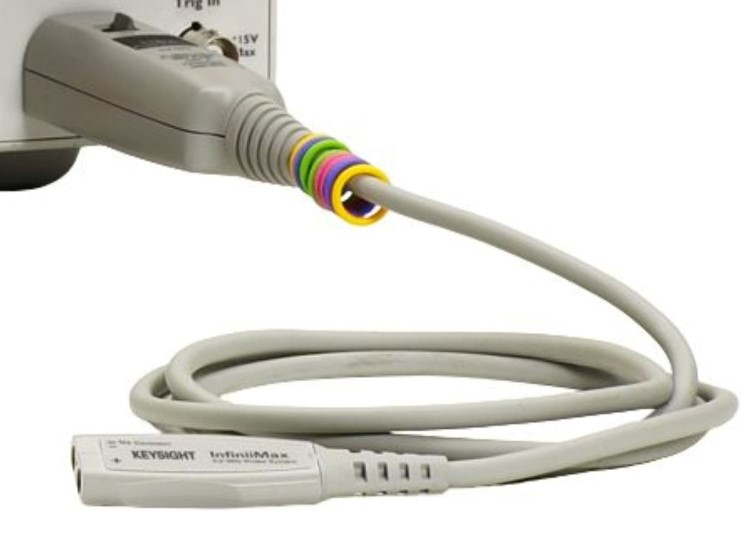
Keysight (Agilent) 1130A
$1,250.00
HP 58502A Distribution Amplifier
$880.00
Agilent 1169A 13GHz InfiniiMax Probe Amplifier
$6,170.00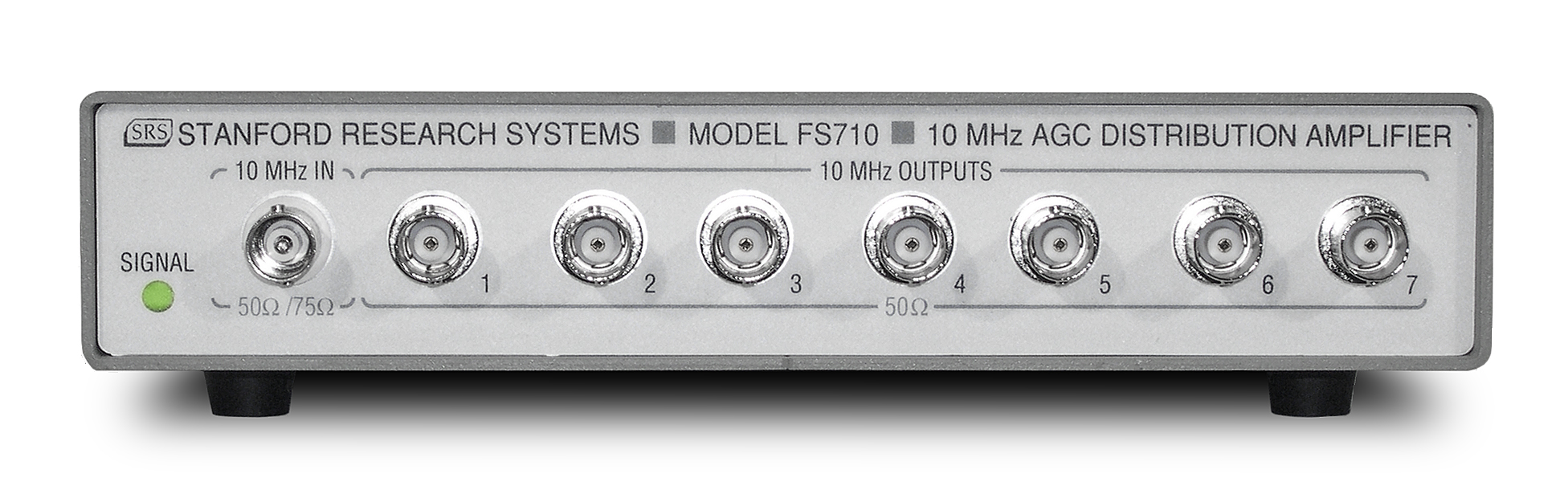
Stanford Research FS710 10 MHz AGC Distribution Amplifier
$870.00
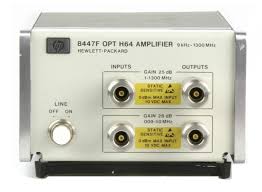
HP / Agilent 8447F Preamplifier and Power Amplifier
$1,259.80
RF Amplifiers
RF amplifiers are the backbone of modern radio frequency and microwave systems, providing the controlled signal power required to drive antennas, test instruments, and RF components without compromising signal quality. At Aumictech, RF amplifiers are treated as precision signal devices, not generic power boosters. Every amplifier category we support is selected with real laboratory, production, and field use in mind.
In RF systems, signal strength alone is never enough. Amplification must be achieved while maintaining spectral purity, phase integrity, and predictable behavior across frequency. This is why RF amplifiers used in professional environments are engineered with tight control over gain stability, noise contribution, linearity, and thermal performance.
What RF Amplifiers Actually Do in Real Systems
RF amplifiers sit at critical points within signal chains. In receiver paths, they elevate weak signals above the noise floor so that analyzers, demodulators, and receivers can extract accurate information. In transmission and test environments, they deliver controlled output power to antennas, devices under test, or calibrated loads.
In laboratory and manufacturing setups, RF amplifiers are commonly paired with signal generators to extend output power capability. This allows engineers to test components and systems under realistic operating conditions rather than idealized low-level signals. The quality of the amplifier directly affects measurement confidence, repeatability, and compliance results.
Performance Factors That Actually Matter
Professional RF amplifiers are evaluated by more than just gain numbers. Gain flatness across frequency is critical in wideband applications, especially when testing modulated signals where amplitude consistency impacts error vector magnitude and spectral compliance.
Noise figure becomes a dominant concern in low-level signal environments such as spectrum monitoring, receiver characterization, and sensitive RF front ends. Excess noise introduced by the amplifier can mask real signal behavior and distort measurement results.
Linearity determines how accurately an amplifier handles complex waveforms. High linearity RF amplifiers minimize intermodulation products, harmonic distortion, and spectral regrowth. This is essential for modern communication standards, radar testing, and multi-carrier signal analysis.
Output power capability defines how much usable signal energy can be delivered without compression or instability. Depending on application, RF amplifiers may operate continuously or in pulsed modes, each with different thermal and protection requirements.
Impedance control and load tolerance are also critical. Well-designed RF amplifiers maintain stable operation even when faced with moderate mismatches, reducing the risk of oscillation or internal damage.
RF Amplifier Design and Technology
RF amplifiers are built using semiconductor technologies chosen for specific frequency and power requirements. Silicon-based designs are commonly used for lower frequency applications where integration and cost efficiency are important. Gallium arsenide devices offer excellent high-frequency performance and low noise behavior. Gallium nitride technology enables high output power, improved efficiency, and robust thermal handling for demanding RF and microwave applications.
Internal architectures may vary depending on bandwidth and linearity goals. Some designs prioritize wideband operation, while others focus on narrowband efficiency or high power density. Advanced RF amplifiers often include internal bias regulation, temperature compensation, and protective circuitry to ensure stable operation in real-world conditions.
Where RF Amplifiers Are Used
RF amplifiers are essential across a wide range of industries. Wireless infrastructure testing relies on them for validating base stations, repeaters, and emerging communication technologies. Aerospace and defense programs use RF amplifiers in radar development, electronic warfare testing, and secure communications. Semiconductor manufacturers depend on them for device characterization, wafer probing, and RF parametric testing.
In calibration and metrology environments, RF amplifiers play a key role in validating signal sources, power sensors, and system-level RF performance. Stability over time and repeatability under load are especially important in these settings.