
RF Couplers & Splitters
Showing 49–60 of 70 results

Agilent/Keysight 87301C
$1,500.00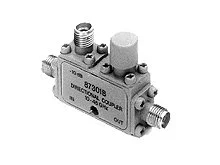
Agilent/Keysight 87301B
$1,500.00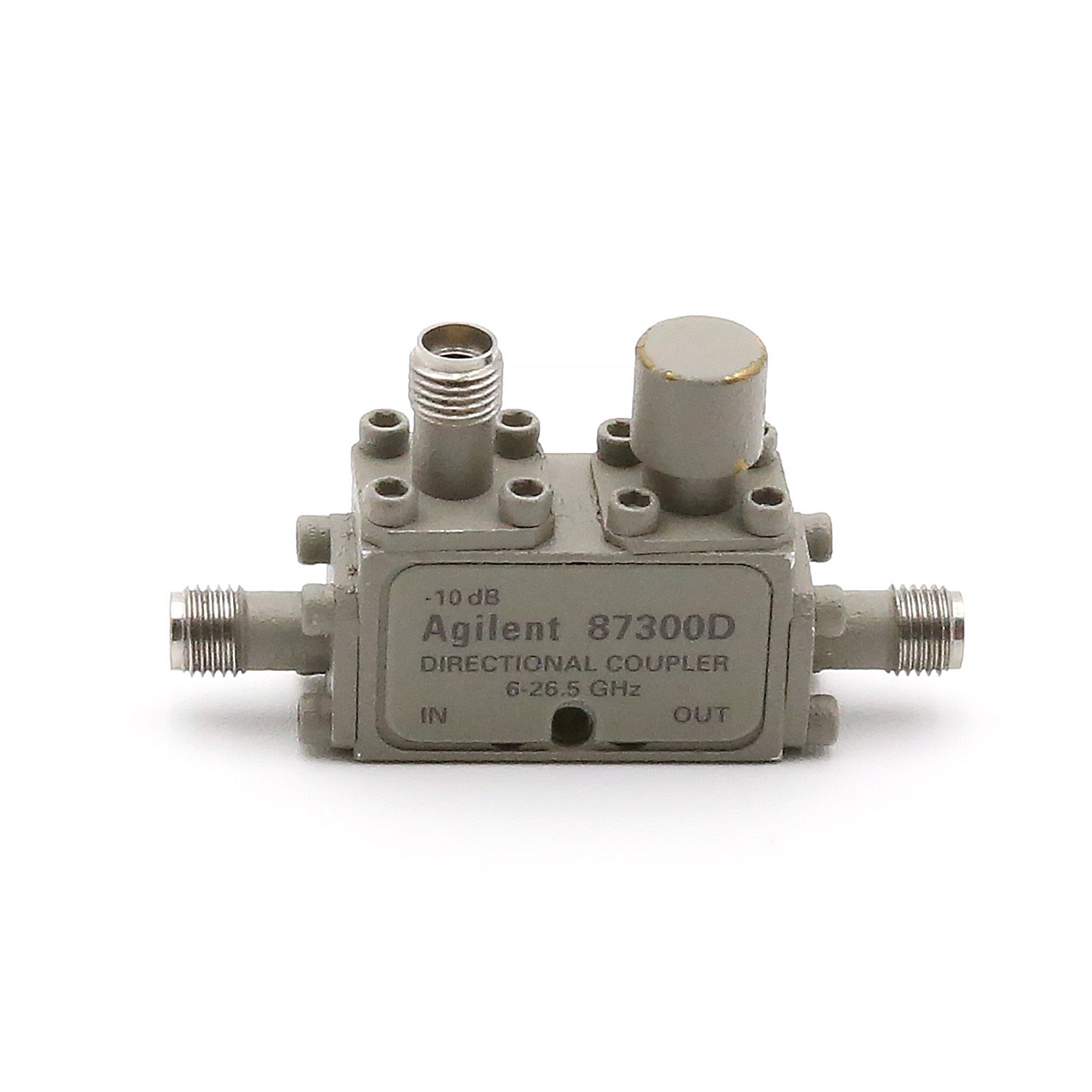
Agilent/Keysight 87300D
$1,500.00
Agilent/Keysight 87300C
$1,500.00
Agilent/Keysight 87300B
$1,500.00
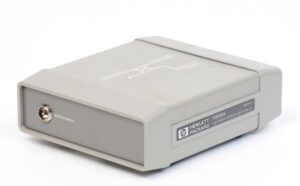
Agilent/Keysight 86205B
$1,500.00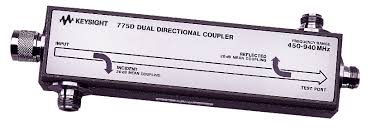
Agilent/Keysight 775D – Directional Coupler
$4,289.00
Agilent/Keysight 773D – Directional Coupler
$3,389.00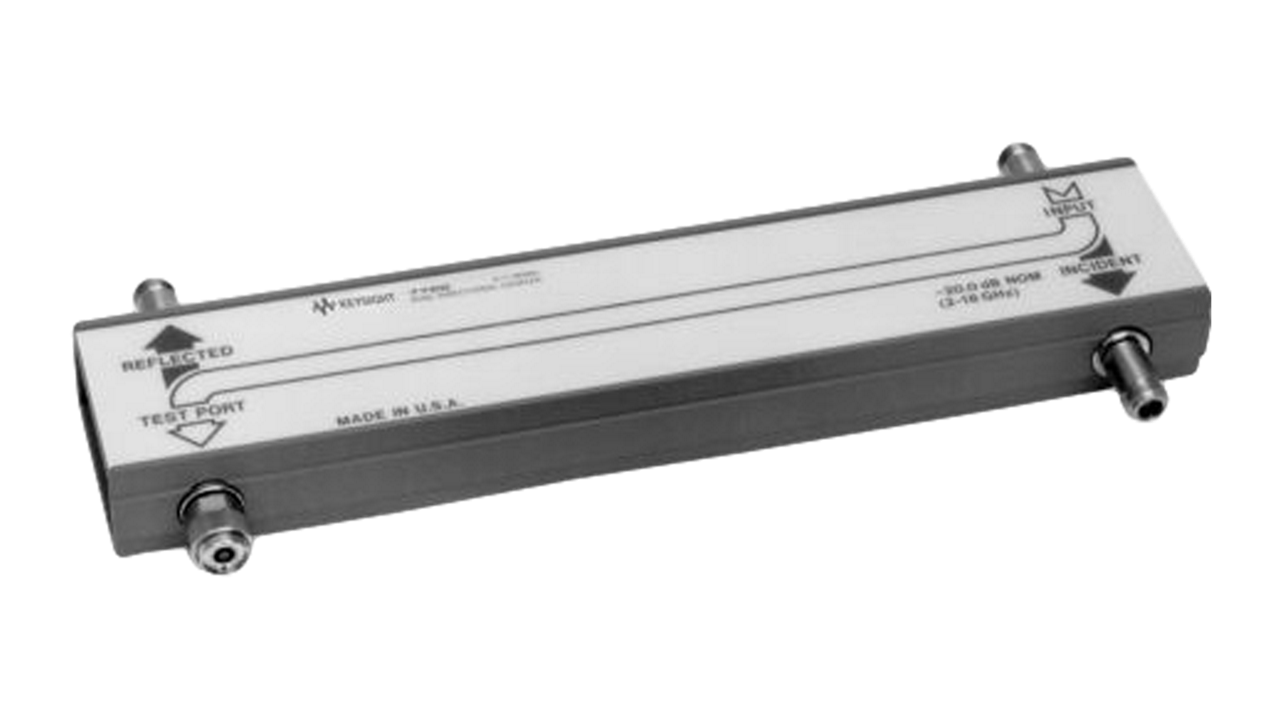
Agilent/Keysight 772D – Directional Coupler
$3,189.00
Agilent/Keysight 766D – Directional Coupler
$2,189.00
Agilent/Keysight 5087-7050
$150.00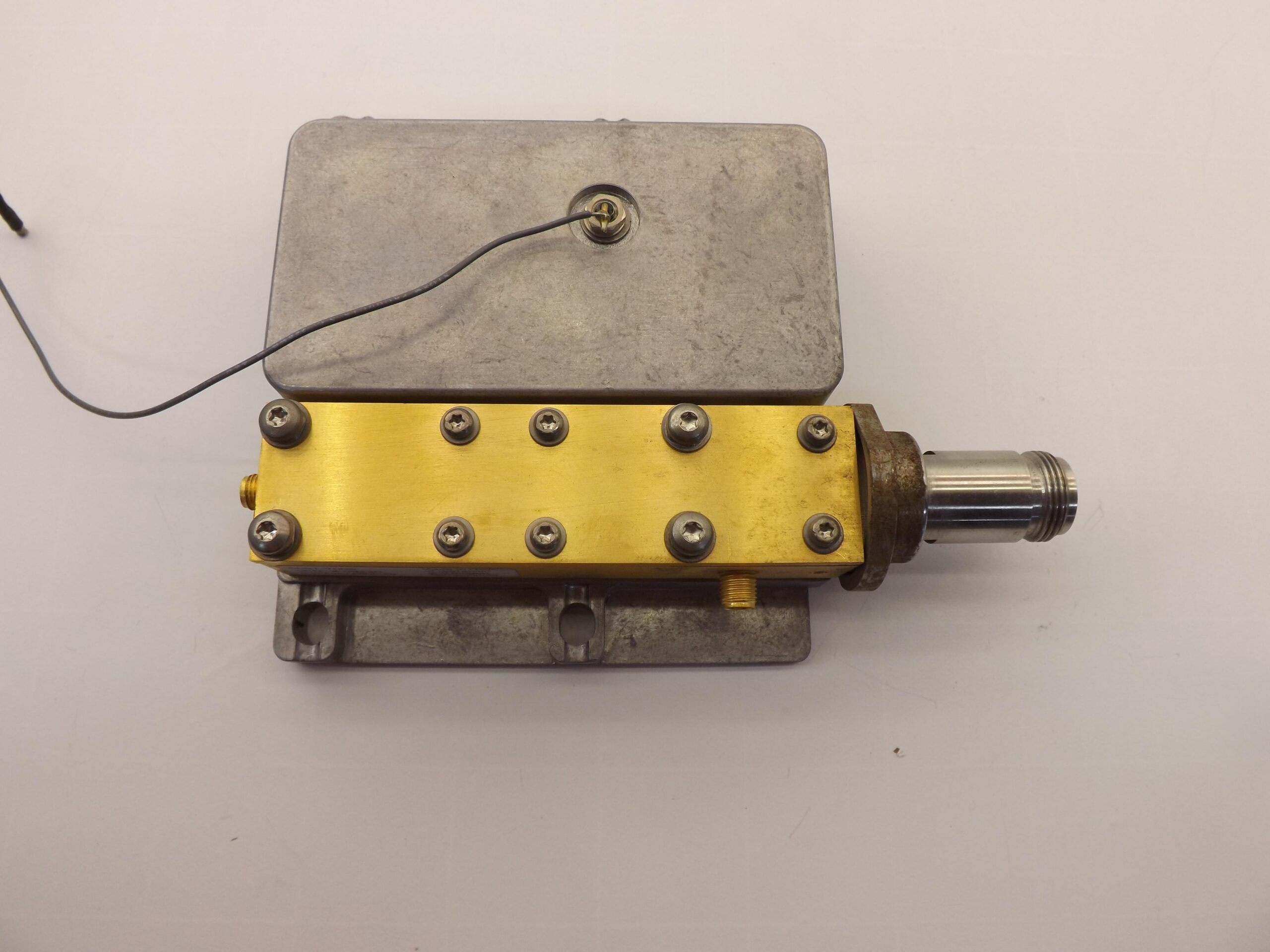
Agilent/Keysight 5087-7008
$150.00
RF Couplers & Splitters
RF couplers and splitters are passive RF components used to divide, sample, or distribute radio frequency signals while maintaining controlled impedance and predictable signal behavior. In professional RF systems, these devices are essential for monitoring signal paths, feeding multiple instruments, and maintaining measurement accuracy without disrupting system operation. At Aumictech, RF couplers and splitters are treated as precision RF building blocks designed for laboratory, production, and field applications.
Unlike simple signal dividers, RF couplers and splitters used in test and measurement environments are engineered to maintain consistent coupling ratios, low insertion loss, and stable performance across wide frequency ranges. Poorly designed components can introduce imbalance, excessive loss, or reflections that compromise system integrity and lead to misleading measurement results.
Role of RF Couplers and Splitters in RF Systems
RF couplers are commonly used to sample a portion of a signal from a main transmission path without significantly affecting the primary signal flow. This allows engineers to monitor power levels, analyze modulation, or verify system behavior in real time. Directional couplers are especially important in applications where forward and reflected power must be measured independently.
RF splitters are used to divide a single RF signal into multiple outputs with defined amplitude and phase relationships. They enable simultaneous testing, multi-instrument monitoring, and signal distribution in complex RF setups. In many systems, splitters are critical for maintaining consistency across parallel measurement paths.
Both couplers and splitters help engineers observe, control, and validate RF systems without introducing unnecessary complexity or instability.
Key Performance Characteristics
Coupling accuracy defines how precisely an RF coupler extracts a specified portion of the signal. Stable coupling across frequency ensures reliable power monitoring and accurate measurements. Variations in coupling can lead to incorrect power readings and inconsistent test results.
Insertion loss affects how much signal power is lost as the RF signal passes through the device. Low insertion loss is critical in high-performance systems where signal margin is limited.
Isolation and directivity are especially important for directional couplers. High directivity allows accurate separation of forward and reflected signals, which is essential for antenna testing, amplifier characterization, and VSWR analysis.
Amplitude and phase balance are critical parameters for RF splitters. Precision splitters maintain consistent output levels and phase relationships, enabling accurate comparison between multiple measurement channels.
Impedance stability and low VSWR help prevent reflections that can distort signals and degrade system performance, particularly at higher frequencies.
Types of RF Couplers and Splitters
Directional RF couplers are designed to sample signals in a specific direction, allowing independent measurement of forward and reflected power. These are widely used in transmitter testing, antenna matching, and RF power monitoring.
Bidirectional couplers allow signal sampling in both directions and are commonly used in feedback and monitoring applications.
Power splitters divide RF signals into two or more outputs with defined power ratios. Common configurations include equal split and unequal split designs depending on application requirements.
Hybrid couplers and combiners support phase-sensitive applications, including balanced signal distribution and signal recombination.
Construction and Design Considerations
RF couplers and splitters are designed using precise transmission line structures that control signal flow at RF and microwave frequencies. Internal geometry, substrate materials, and mechanical construction directly affect frequency response, isolation, and power handling capability.
High-quality RF couplers and splitters are built with robust housings, precision connectors, and stable internal structures to support repeatable performance under demanding conditions. Thermal behavior is also a key consideration, especially in high-power applications where heat dissipation impacts long-term reliability.
Applications Across Industries
RF couplers and splitters are used across wireless communications, aerospace and defense, semiconductor testing, and research laboratories. They support antenna testing, transmitter validation, receiver monitoring, and system-level RF diagnostics.
In calibration and metrology environments, couplers are used to sample signals without disturbing calibrated paths. In production testing, splitters enable parallel measurements and improve test throughput.
Field engineers rely on couplers and splitters for live signal monitoring, fault isolation, and performance verification in deployed RF systems.