

RF Frequency Converters
Showing 61–66 of 66 results

Agilent / Keysight N5281A Frequency down converter, 10 MHz to 50 GHz
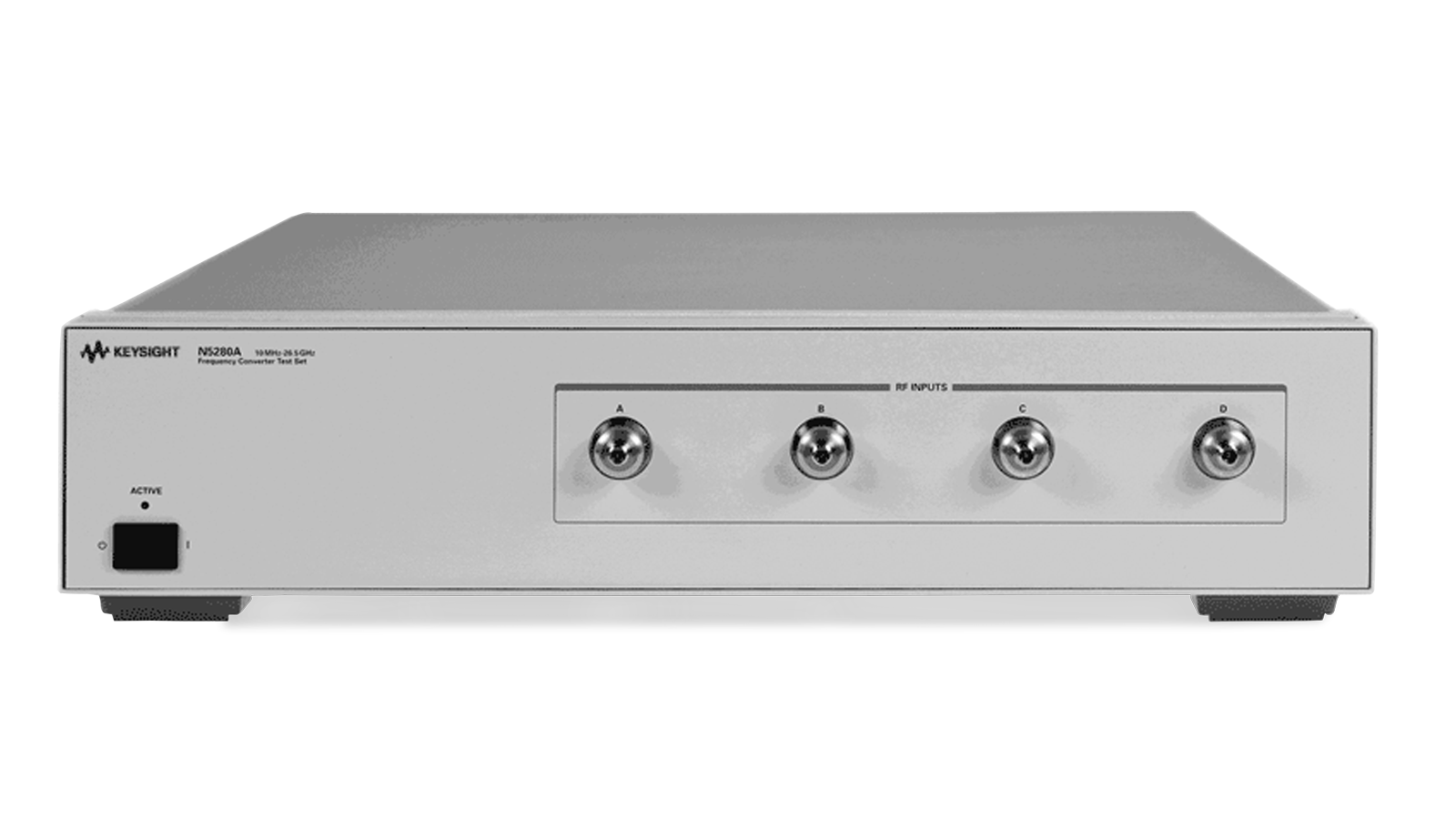
$25,574.38Agilent / Keysight N5280A Frequency down converter, 10 MHz to 26.5 GHz
$22,658.38
Agilent / Keysight 8511B Frequency Converter, 45 MHz to 50 GHz
$7,091.80
Agilent / Keysight 8511A Frequency Converter, 45 MHz to 26.5 GHz
$901.78
Acroamatics 2430V Bit Synchronizer
$3,599.00
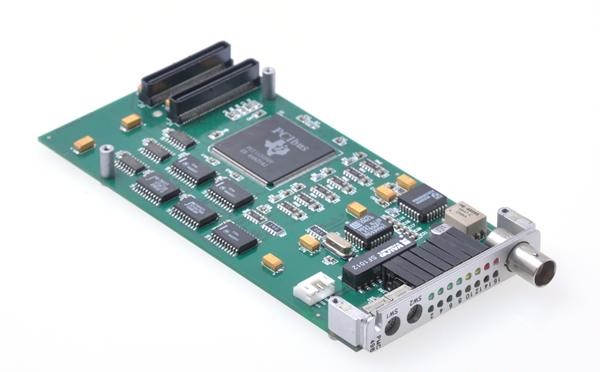
Abaco Systems / Ramix PMC-498 10baseT to 10base2 Ethernet Converter
$1,050.00



RF Frequency Converters
RF frequency converters are used to translate radio frequency signals from one frequency range to another while preserving the original signal information. This frequency translation is a fundamental operation in RF and microwave systems, enabling signals to be processed, measured, transmitted, or analyzed within the operating range of downstream equipment. At Aumictech, RF frequency converters are treated as precision signal-processing components designed for laboratory, production, and mission-critical RF applications.
In real-world RF systems, signals often originate at frequencies that are too high, too low, or otherwise incompatible with available instrumentation or processing stages. Frequency converters solve this problem by shifting signals to more manageable intermediate or output frequencies without altering modulation characteristics, timing, or spectral content.
Role of RF Frequency Converters in RF Systems
RF frequency converters are commonly used to shift high-frequency signals down to intermediate frequencies for analysis and demodulation. This process allows receivers, spectrum analyzers, and digitizers to operate within their optimal performance range. Conversely, upconversion is used to translate baseband or intermediate signals to higher RF or microwave frequencies for transmission and system testing.
In test and measurement environments, frequency converters enable the evaluation of devices operating beyond the native frequency range of available equipment. They allow engineers to extend the usefulness of signal generators and analyzers, supporting development and validation of advanced RF systems.
Frequency converters are also used to isolate specific frequency bands, manage signal routing, and simplify system architectures by standardizing internal processing frequencies.
Key Performance Characteristics
Conversion accuracy is critical to maintaining signal integrity during frequency translation. Any deviation in frequency stability directly impacts measurement precision and system performance.
Phase noise performance plays a significant role in applications involving narrowband signals, high-order modulation, or phase-sensitive measurements. Excess phase noise introduced by the converter can degrade demodulation accuracy and spectral purity.
Linearity affects how well the frequency converter handles multi-tone and wideband signals. Poor linearity results in spurious responses and intermodulation products that can mask real signal content.
Conversion loss or gain determines the output signal level relative to the input. Stable and predictable conversion behavior is essential for consistent system performance and accurate power measurements.
Image and spurious suppression are important parameters in ensuring that unwanted frequency components do not interfere with the desired signal path. High-quality frequency converters are designed to minimize these artifacts across their operating range.
Types of RF Frequency Converters
Downconverters are used to translate high-frequency signals to lower intermediate frequencies, enabling easier analysis and processing. These are commonly used in receivers, spectrum monitoring systems, and laboratory measurement setups.
Upconverters translate lower-frequency signals to higher RF frequencies for transmission, device stimulation, and system testing. They are widely used in signal generation chains and transmitter development.
Frequency converters may be implemented as standalone units or integrated within larger RF systems. Some designs support wideband operation, while others are optimized for specific frequency ranges or applications.
Design and Implementation Considerations
RF frequency converters are typically built around mixer-based architectures that combine the input signal with a local oscillator. The quality and stability of the local oscillator directly influence overall converter performance.
Filtering plays a critical role in suppressing unwanted mixing products and images. Proper filter design ensures clean output spectra and predictable signal behavior.
Thermal stability is another important factor, as temperature variations can affect oscillator stability and conversion accuracy. Professional-grade frequency converters incorporate design features that minimize drift and maintain consistent performance over time.
Applications Across Industries
RF frequency converters are used extensively in telecommunications, aerospace and defense, semiconductor testing, and scientific research. They support radar development, satellite communication testing, electronic warfare systems, and advanced wireless technologies.
In calibration and metrology environments, frequency converters enable measurement of signals outside the direct operating range of primary instruments. Production testing relies on converters to standardize signal processing across multiple test stations.
Research institutions use RF frequency converters to explore new frequency bands, validate experimental systems, and study signal behavior across wide spectral ranges.