

Temperature Test Equipment
Showing 1–12 of 30 results

ILX Lightwave LDT-5980 High Power Temperature Controller
$2,230.00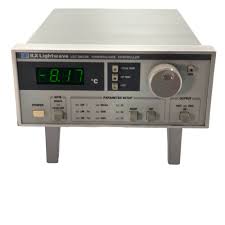
ILX Lightwave LDT-5910 Benchtop Thermoelectric Temperature Controller Unit
$480.00
BLUE M STABIL-THERM ELECTRIC OVEN SOLID STATE CONTROLLER
$1,780.00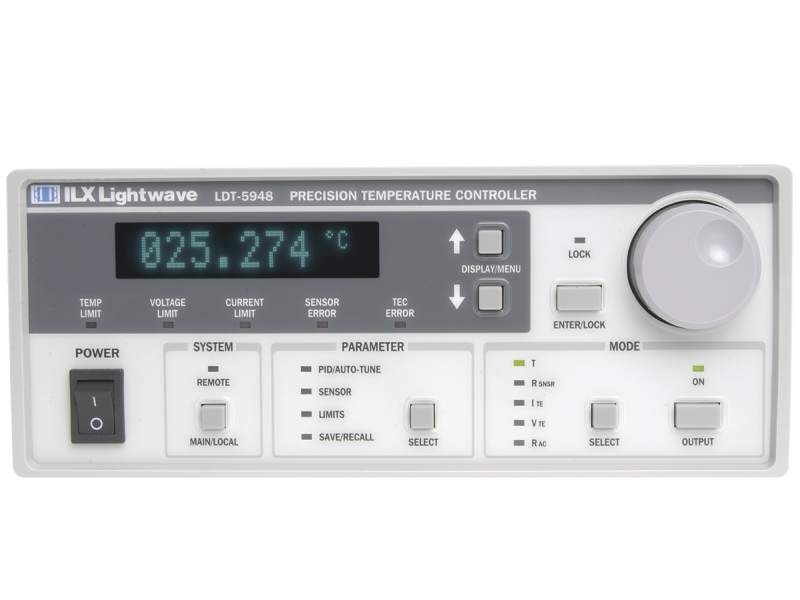
ILX Lightwave LDT5948 – Precision Temperature Controller
$2,400.00
Hart Scientific Fluke 1524 Reference Thermometer (Temperature Measurement)
$3,050.00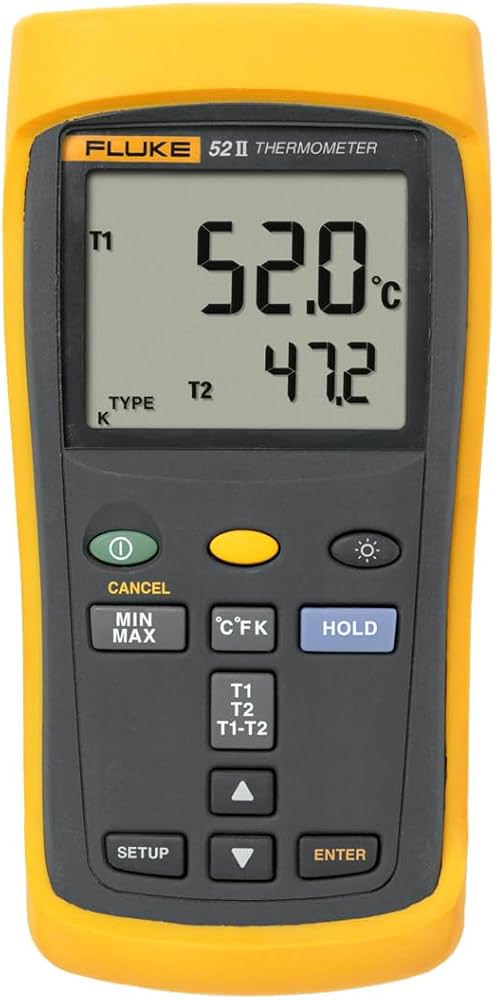
Fluke 52 Digital Thermometer
$679.00
Fluke 50D Thermometer
$100.00
Fluke 2168A Digital Thermometer
$60.00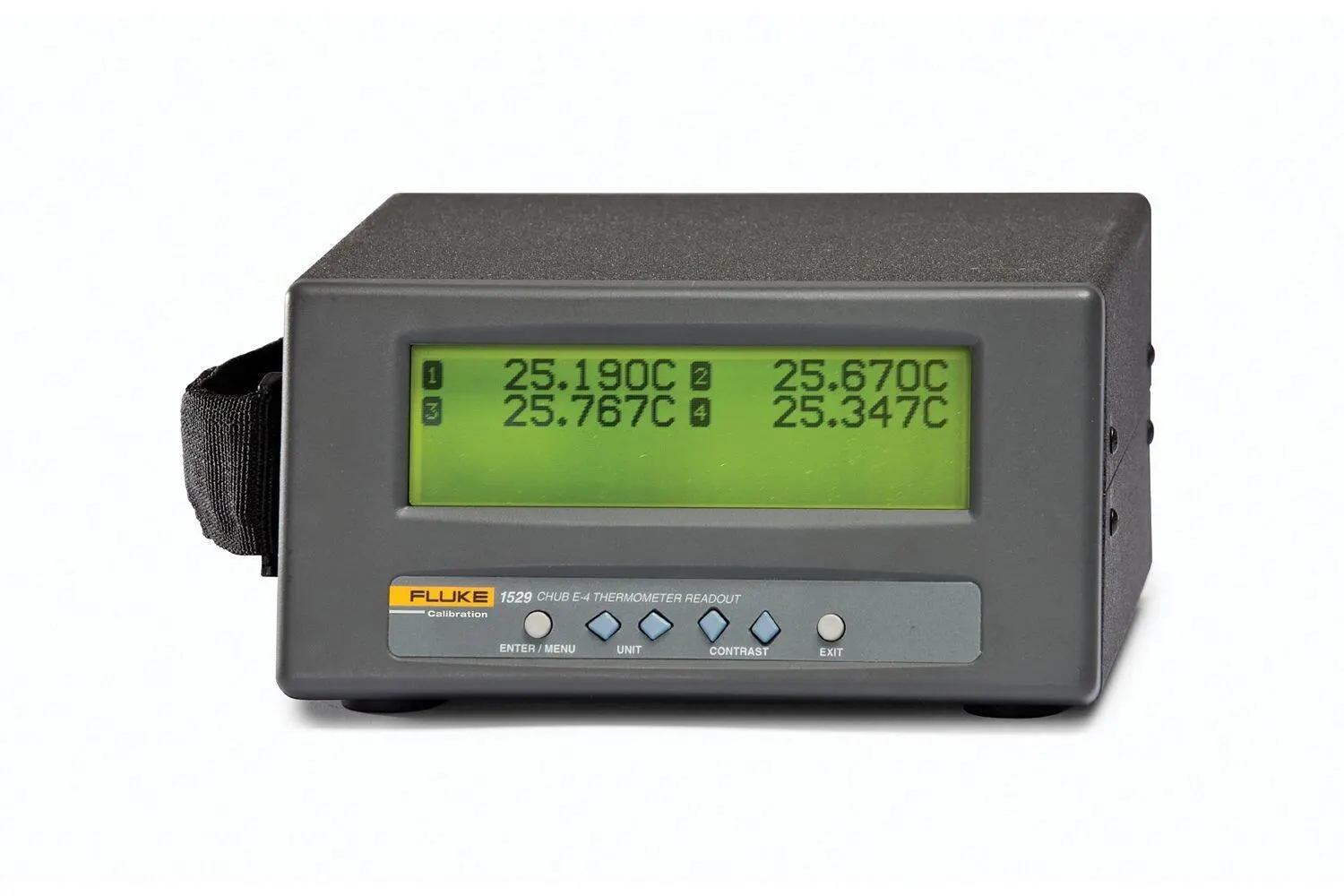
Fluke / Hart Scientific 1529-R Chub-E4 Thermometer
$6,960.00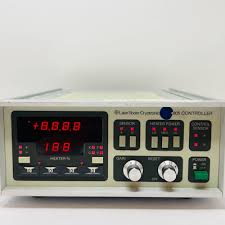
Lake Shore 805
$650.00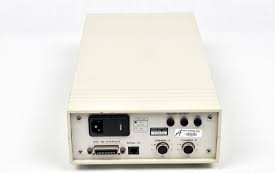
Lake Shore 330
$950.00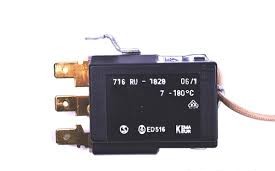
Kema Keur 716 RU-1828 Thermal Limiter Switch
$45.00
Temperature Test Equipment
Temperature test equipment is used to measure, control, and simulate thermal conditions to evaluate how devices, materials, and systems perform across defined temperature ranges. In professional testing environments, temperature is one of the most influential variables affecting reliability, accuracy, and long-term performance. At Aumictech, temperature test equipment is treated as a core validation tool, because thermal behavior often determines whether a product succeeds or fails in real-world operation.
Electronic components, RF systems, mechanical assemblies, and materials all respond differently to temperature changes. Without controlled thermal testing, performance data gathered under ideal conditions can be misleading. Temperature test equipment allows engineers to expose systems to realistic operating extremes and verify stability, repeatability, and safety.
Role of Temperature Test Equipment in Testing and Validation
Temperature test equipment is used to subject devices to controlled heating and cooling cycles while monitoring performance and behavior. This allows engineers to identify thermal drift, expansion effects, material fatigue, and failure points.
In electronics and RF testing, temperature affects frequency stability, noise performance, gain, and timing behavior. In mechanical and industrial systems, it influences tolerances, lubrication behavior, and structural integrity.
Temperature testing is also a critical part of qualification, reliability testing, and compliance validation, ensuring products can operate safely and predictably across their specified environmental range.
Key Performance Characteristics
Temperature range defines the minimum and maximum conditions the equipment can achieve. Wider ranges allow testing under extreme operating and storage conditions.
Stability determines how consistently the equipment can maintain a set temperature over time. Stable temperature control is essential for accurate measurement and repeatable test results.
Uniformity affects how evenly temperature is distributed across the test area. Poor uniformity can lead to inconsistent results and misleading conclusions.
Ramp rate defines how quickly temperature can change. Controlled ramping is important for thermal cycling, stress testing, and avoiding damage to sensitive devices.
Accuracy and resolution determine how precisely temperature can be measured and controlled. High accuracy is especially important in calibration and validation environments.
Control and monitoring capability influence how effectively temperature profiles can be programmed, logged, and integrated into automated test workflows.
Types of Temperature Test Equipment
Temperature chambers are used to expose devices to controlled hot and cold environments for environmental and stress testing.
Thermal cyclers support repeated heating and cooling cycles to evaluate fatigue, aging, and long-term reliability.
Temperature controllers regulate heating and cooling elements in custom test setups and production systems.
Thermal plates and hot plates provide localized temperature control for component-level testing and calibration.
Infrared temperature measurement equipment supports non-contact thermal analysis and diagnostics.
Specialized temperature test systems are designed for specific applications requiring precise control, rapid transitions, or compact form factors.
Design and Reliability Considerations
Temperature test equipment is designed with careful attention to insulation, airflow, heating and cooling elements, and sensor placement. These factors directly influence stability, uniformity, and responsiveness.
Sensor accuracy and placement are critical, as temperature readings guide control behavior and data interpretation.
Thermal stress on internal components must be managed to ensure long-term reliability, especially in systems operating at extreme temperatures or high cycle counts.
User interface design and control software play a key role in defining test profiles, monitoring conditions, and documenting results.
Applications Across Industries
Temperature test equipment is used across electronics manufacturing, aerospace and defense, automotive testing, semiconductor fabrication, and research laboratories. It supports component qualification, system validation, and reliability testing.
Calibration laboratories rely on temperature-controlled environments to ensure measurement accuracy and traceability.
Production environments use temperature testing to screen for defects, verify performance margins, and ensure consistency across manufactured products.
Field and service engineers use portable temperature test equipment for diagnostics, troubleshooting, and on-site validation.